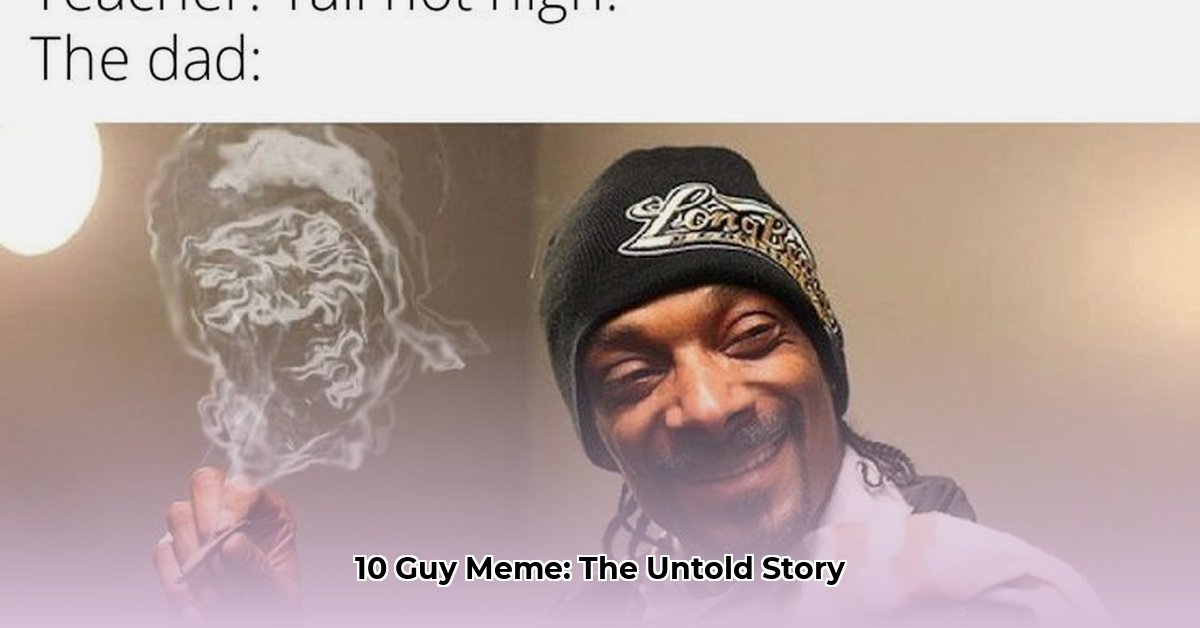
From Reddit obscurity to NFT stardom: The enduring legacy of "10 Guy"
The internet is a vast ocean of fleeting trends, but occasionally, a meme transcends its initial virality to become a cultural touchstone. The "10 Guy" meme, a seemingly simple image of a young man looking exceptionally high, is a prime example. For ten years, this seemingly simple photograph has resonated across the internet, its journey a compelling case study in internet culture, anonymity, and the surprising possibilities of meme monetization. It all began innocently enough on Reddit around 2011.
Did you ever think a single image of someone looking utterly bewildered—yet hilariously relatable—could become a global phenomenon? The answer, as "10 Guy" proves, is a resounding yes.
The Rise of a Meme: Relatability and Viral Spread
The meme's rapid ascent can be attributed to its undeniable relatability. The photo—that distinctive look of blissful, slightly confused inebriation—perfectly captured a universal experience: that feeling of being thoroughly and hilariously spaced-out. This inherent relatability, coupled with the countless creative captions that mirrored the often-nonsensical thoughts accompanying such a state, created a meme that resonated far beyond its niche origin. Its simple yet effective structure made it easily shareable—leading to rapid spread across platforms like Quickmeme, BuzzFeed, and Tumblr.
What makes a meme truly iconic? How does a random image become a symbol recognized worldwide? The "10 Guy" meme's success provides some answers:
The Unmasking of "10 Guy": Anonymity, Revelation, and NFTs
For nearly a decade, the identity of "10 Guy" remained shrouded in mystery. This anonymity, paradoxically, contributed to the meme's longevity and allure, fueling its intrigue. However, in 2021, the internet was abuzz when Connor Sinclair, the man behind the meme, revealed himself. This unexpected twist sparked a torrent of discussion, prompting questions about the implications of viral fame, particularly the fine line between the rights of the person depicted and the meme's cultural significance. What began as unintentional internet notoriety took an even more unexpected turn.
Sinclair's next move was as surprising as his initial reveal: he ventured into the world of non-fungible tokens (NFTs) (digital assets representing unique ownership), selling NFT versions of his iconic image. This decision ignited a broader conversation: the ethical and legal implications of meme monetization.
Ethical Considerations and Legal Implications: Navigating the Digital Landscape
The "10 Guy" story highlights a critical tension in our digital age: the conflict between internet anonymity and the unintended consequences of viral fame. The meme's evolution serves as a potent case study in this area, prompting discussion around the need for better legal safeguards for individuals who unexpectedly find themselves thrust into the public eye through the creation and spread of memes. This isn't merely a funny anecdote; it's a microcosm of the larger conversation surrounding digital culture, online privacy, and the intricate balance between individual experiences and collective internet culture.
Is it acceptable to profit from a meme where someone's image is used without their initial consent? The legal framework is complex, with both copyright and right-of-publicity laws coming into play. While Connor Sinclair ultimately profited, it raises crucial questions for the future of meme culture.
The Enduring Legacy: A Decade of Memes and the Questions They Pose
"10 Guy," despite its humble beginnings, represents a fascinating case study in the dynamics of internet culture and the enduring power of memes. It's a story spanning a decade, encompassing unexpected viral success, a surprising public revelation, and controversial monetization endeavors. Its lasting impact underlines the immense potential—and pitfalls—inherent in online virality. It also raises critical questions that continue to shape the online landscape: What are the rights of individuals whose images become memes? How should we approach the commercialization of internet culture? These are ongoing discussions, fueled by the experiences of "10 Guy" and other similar cases. The future of memes, and the legal framework that surrounds them, depend, in part, on the answers we find.